Showing posts with label gravity. Show all posts

Friday, 28 February 2014

nymphs


The exchange of letters with Adorno in the Summer of 1935 clarifies the sense in which the extremes of this polar tension are to be understood. Adorno defines the concept of dialectical image starting from Benjamin's notion of allegory in the Trauerspielbuch, which speaks of a 'hollowing out of meaning' carried out in objects  by the allegorical intention.

With the vitiation of their use value, the alienated things are hollowed out, and as ciphers, they draw in meanings. Subjectivity takes possession of them insofar as it invests them with intentions of fear and desire. And insofar as defunct things stand in as images of subjective intentions, these latter present themselves as immemorial and eternal. Dialectical images are constellated between alienated things and incoming and disappearing meaning - and instantiated in the moment of indifference between death and meaning.
Copying this passage onto his notecards, Benjamin comments 'with regard to these reflections it should be kept in mind that, in the nineteenth century, the number of 'hollowed-out' things increases at a rate and on a scale that was previously unknown, for technical progress is continually withdrawing newly introduced objects from circulation. Where meaning is suspended, dialectical images appear. The dialectical image is, in other word, an unresolved oscillation between estrangement and a new event of meaning.  Similar to the emblematic intention, the dialectical image holds its object suspended in a semantic void.
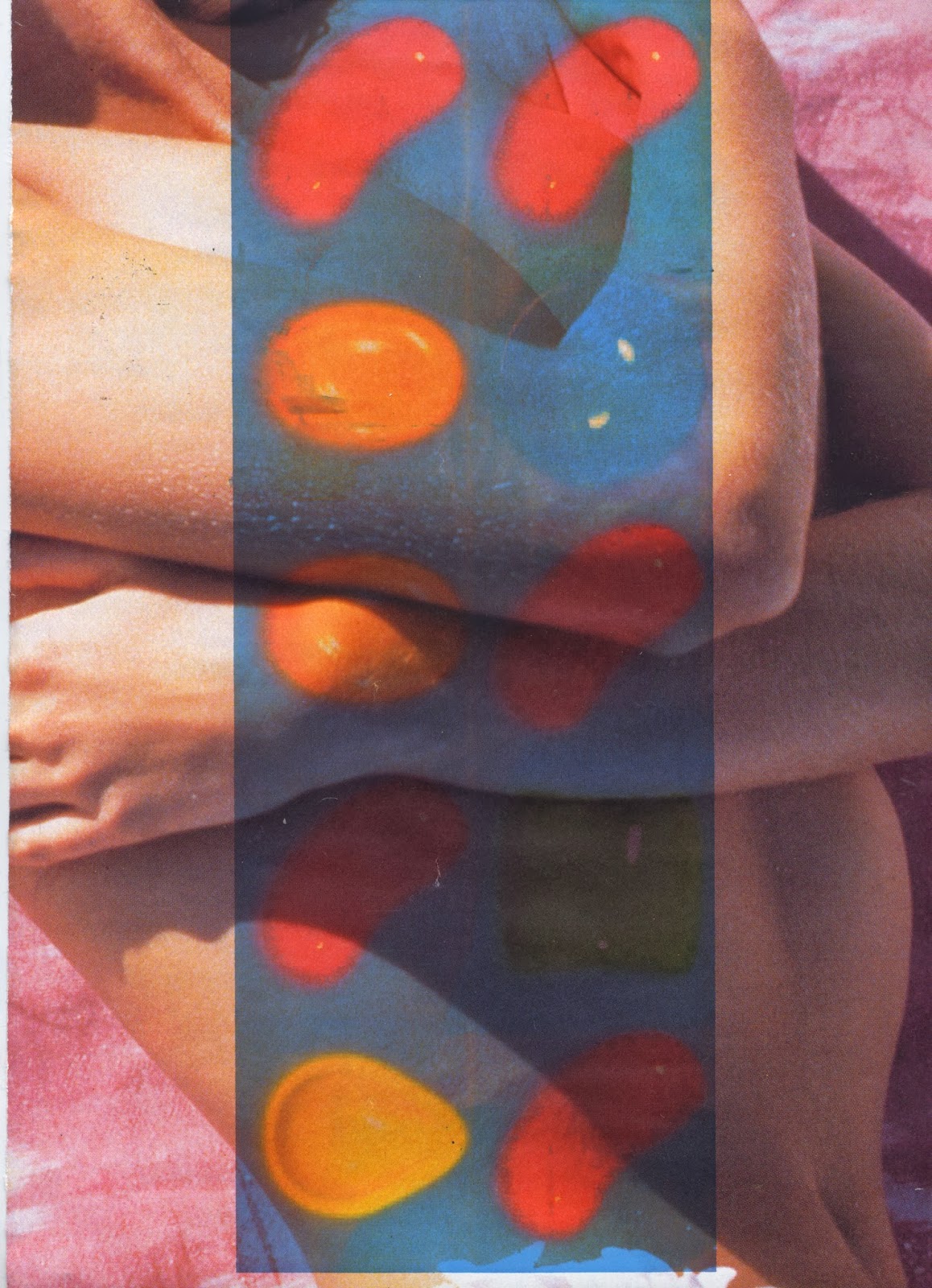
Agamben/ Nymphs / 28-30


-->
The 3-D body is hollow...


Her anxiety doesn’t seem to come from the threat of physical pain. Rather, she is overwhelmed with the amount of information she must process: coordinates, shuttle manuals, ornate procedures.


Gravity presents the body as mere operational device, a cursor, an avatar who performs a set of actions. It is workflow cinema.


Her task, like ours, is simply to organize the overwhelming flow of visual data she receives through her visor.


Gravity shows a contemporary ideal of femininity still more sinister than the pinup. It presents woman as an intricate machine, strapped to dozens of wires, working her ass off with the goal of appearing weightless.


Saturday, 19 February 2011

badische anilin und soda fabrik


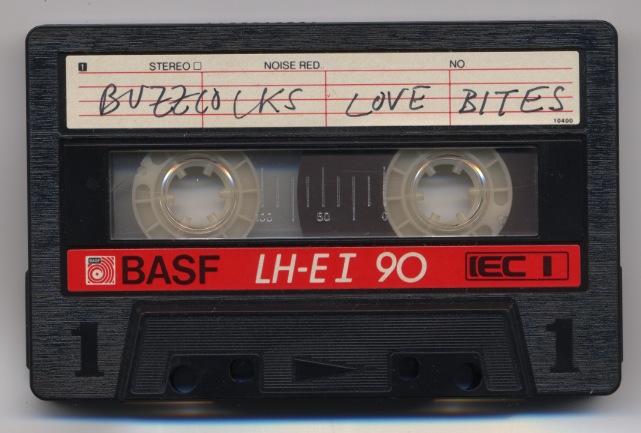
BASF was founded in 1865 to produce coal tar dyes. Its first products were aniline dyes, whose success was enmeshed with that of the textile industry. In 1871 the red dye alizarin was synthesised. Other synthetic pigments followed… Production shifted away from colour stuffs to fertilisers in the early twentieth century, and in the 'stabilsation' years BASF merged with IG Farben as part of a rationalisation of the chemical industry. At this time production concentrated on synthetic rubber, fuels, operating agents and surface coatings, as well as advancing a sideline in recording technologies [notably magnetic tape for the Magnetophone recording device].

Synthetic Worlds / Esther Leslie / Reaktion / 2005

The interface between coal and steel is coal-tar. Imagine coal, down in the earth, dead black, no light… Growing older, blacker, deeper, in layers of perpetual night…
A thousand different molecules waited in the preterite dung. This is the sign of revealing. Of unfolding.This is one meaning of mauve, the first new colour on Earth, leaping to Earth's light from its grave miles and aeons below.

Pynchon / Gravity's Rainbow

NON SINE SOLE IRIS

…the rotten shimmer

Magnetic tape recording, which simulates the physical grooves of a phonograph record via continuous magnetically alterable particles, was first demonstrated by BASF/AEG in 1935 (Schoenherr), although this development did not reach the United States until the Allied forces captured Radio Luxembourg in 1944, discovering “a new Magnetophone of extraordinary capabilities” (Kittler, 1999:106).